The Passport Lottery: Why Some 'Live Anywhere' Dreams Come With Fine Print
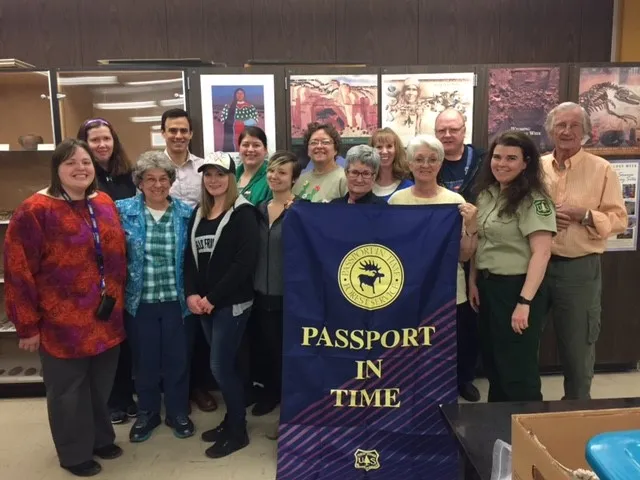
Photo: Intermountain Forest Service, USDA Region 4 Photography, Public domain, via Wikimedia Commons
Scroll through enough 'I quit my job and moved to Portugal' threads and you'll notice a pattern. The advice is always the same: just go, book the flight, figure it out later. What almost never gets mentioned is the document sitting in the advice-giver's pocket. A US passport opens something like 180 countries visa-free or visa-on-arrival. That's not just convenience — that's the entire engine underneath the modern expat dream.
We don't like calling it privilege because privilege implies we didn't earn anything. And sure, plenty of passport holders worked hard, saved money, built careers. But nobody earned their citizenship. You were born into it, naturalized into it, or won it through a process most of the world can't access. Either way, the passport itself is a lottery ticket you were handed before you made a single decision.
Same Dream, Different Paperwork
Consider two people who want exactly the same life: a remote worker relocating to Southeast Asia. One holds a US passport — 30-day visa exemption on arrival in many countries, easy extensions, and a tourist visa system designed, frankly, to welcome their money. The other holds a passport from a country on the 'restricted' list. They need pre-arranged visas, proof of funds measured in multiples of what the first person needs, sometimes in-person interviews at embassies located a thousand miles from their home, and application fees that get non-refundably swallowed even when the visa is denied.
Same skills. Same savings. Same Instagram-worthy plan. Completely different odds.
And this isn't abstract. Talk to enough third-culture travelers and the stories pile up: the freelance designer denied a Schengen visa three times with no explanation, the software developer who can't attend a conference because the embassy waitlist is eight months long, the person who watches visa-free friends 'figure it out later' while they spend their savings just applying for the chance to try.
The Nomad Movement Has a Blind Spot
Here's what stings about the digital nomad scene: it markets itself as radically accessible. 'All you need is a laptop!' Except the laptop is the easy part. The hard part is the document that lets you cross the border in the first place, and the movement has largely treated that as a solved problem.
Even the new wave of digital nomad visas — the ones in Estonia, Barbados, Costa Rica, and dozens more — mostly have income thresholds that quietly filter by nationality and currency. A remote salary in dollars clears those bars easily. A remote salary in naira or rupees or pesos, even doing identical work, often doesn't.
None of this makes individual expats villains. But it does mean the 'live anywhere' conversation, as it's currently held, is missing about 90 percent of the world's population — the people for whom the visa is the whole mountain, not a formality.
What Actually Helping Looks Like
So what does the expat community owe the travelers holding the 'wrong' passport? A few concrete things, for starters.
First: accuracy in the advice we give. 'Just move to Bali' is not advice; it's a brag. If someone asks how you did it, mention the passport. Mention the visa-free entry. Say the quiet part out loud so people with different documents can plan around reality instead of your blind spot.
Second: stop treating visa struggles as personal failures. When a friend's visa gets denied, the community response shouldn't be 'did you try harder?' Denials happen to brilliant, well-documented applicants for reasons that have nothing to do with merit. Believing otherwise is how passport privilege stays invisible.
Third: use the access. Sponsor invitation letters when you legitimately can. Show up to immigration appointments as moral support. Push back in expat Facebook groups when someone sneers that 'some people just shouldn't travel.' Small things, but they compound.
Belonging Everywhere Means Noticing Who Can't
The Abroad's whole ethos is 'belong everywhere' — and that promise only means something if it extends past the people whose passports make belonging easy. The expat world is at its best when it's generous, when the people who got through the door hold it open for the next person.
The honest version of the nomad dream isn't 'anyone can live anywhere.' It's 'I got lucky with a document, and I know it.' That's not a guilt trip. It's just the starting point for building a travel community that's actually worth belonging to.