The American Abroad Advantage Nobody Wants to Admit They Have
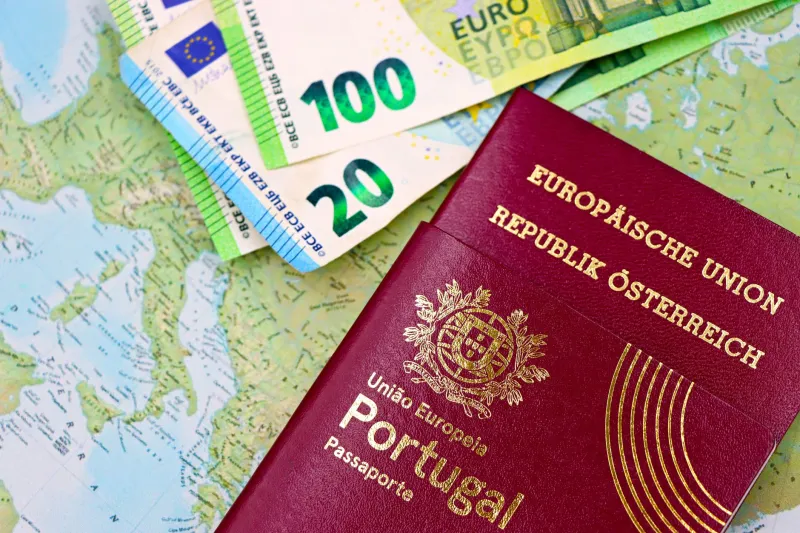
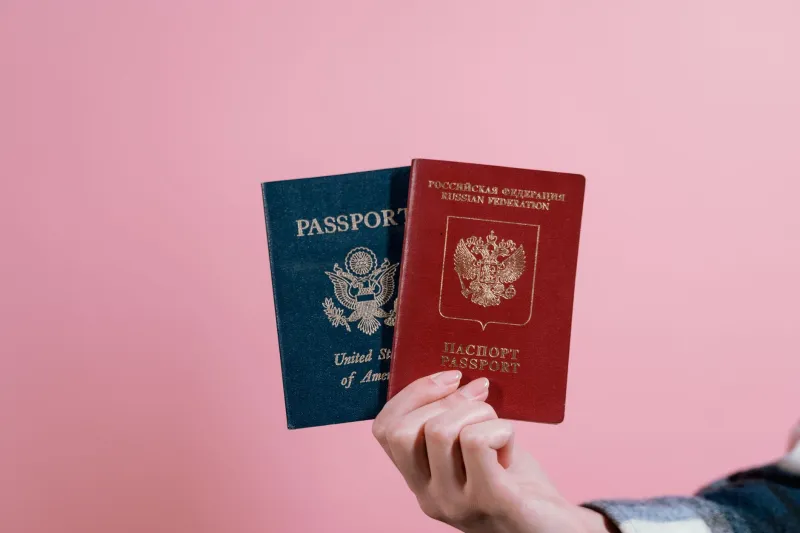
Let's start with a number: the US passport ranks among the most powerful travel documents on earth, granting visa-free or visa-on-arrival access to over 180 countries. Meanwhile, someone holding a passport from Nepal, Nigeria, or Bolivia might need months of applications, fees, and rejections just to visit the same places you can enter with a wave.
You probably know this in an abstract way. But if you're living abroad — really living there, day to day, buying groceries and paying rent and complaining about the Wi-Fi — it's worth taking that abstraction and making it specific. Because the advantages don't stop at the border crossing.
What "Passport Privilege" Actually Looks Like on the Ground
The term can feel like social media jargon, but the reality it describes is concrete.
As an American expat, you likely arrived with options. You researched visa categories. You maybe hired an immigration lawyer, or at minimum spent a few hours on a government website. You had the luxury of choosing your destination based on lifestyle, cost of living, weather — not desperation, not safety, not survival.
That's not true for most international migrants. For millions of people, moving across a border is not a lifestyle choice. It's a necessity. And the bureaucratic obstacles they face — the rejections, the detention risks, the limbo of undocumented status — are categorically different from the inconvenience of a long visa application that you'll probably get approved anyway.
Then there's the economic dimension. If you're working remotely on a US salary in a country with a lower cost of living, you're not just comfortable — you're operating in a different economic reality than most of your neighbors. In cities like Mexico City, Tbilisi, or Bali, the influx of well-paid remote workers has contributed to rising rents that price out locals. You may be living your dream in someone else's neighborhood, in a way that makes that neighborhood incrementally harder for them to afford.
And there's the exit option. If your adopted country goes through political upheaval, economic collapse, or any number of crises, you can leave. Your local friends, colleagues, and neighbors often cannot. That asymmetry is enormous, even if it rarely comes up over dinner.
The Discomfort Is the Point
None of this is meant to make you feel guilty for leaving the US or for enjoying your life abroad. Living internationally is genuinely valuable — for you, and often for the communities you engage with. Cross-cultural exchange, when it's done with some humility, makes things better.
But there's a particular flavor of American abroad who has never examined their position, and it shows. It shows in the expat who complains loudly about local inefficiencies without acknowledging that their economic presence may be straining local infrastructure. It shows in the one who fetishizes the "authenticity" of a neighborhood right up until their arrival (and the arrival of people like them) starts to change it. It shows in the person who talks about "giving back" to their host community while keeping all their financial and social ties firmly in the expat bubble.
Recognizing your advantages doesn't require performative guilt or constant self-flagellation. It just requires honesty. And honesty, in this case, is the foundation of actually ethical behavior abroad.
What Responsibility Looks Like in Practice
This isn't a lecture — it's a practical question. If you acknowledge that you arrived with advantages, what do you actually do with that acknowledgment?
A few starting points:
Spend locally and intentionally. Where your money goes matters. Eating at locally-owned restaurants, hiring local service providers, shopping at neighborhood markets instead of expat-facing chains — these choices circulate money within the community rather than extracting it. It won't single-handedly fix economic inequality, but it's not nothing.
Learn the language, even badly. This one is partly about respect and partly about power. When you make no effort to communicate in the local language, you're implicitly relying on others to accommodate you. The effort to learn — even if you're terrible at it, even if locals switch to English anyway — signals that you understand you're a guest.
Be careful with the savior framing. American expats, especially in developing countries, can slide easily into a mindset of "I'm here to help." Sometimes that's genuine and valuable. But it can also be condescending, and it can crowd out local voices and local solutions. If you want to contribute to your community, start by listening more than you talk.
Advocate, don't just observe. If you see policies or practices that harm local residents — predatory development, displacement, labor exploitation — you have more social and economic capital than most to say something. Use it.
Sit with the discomfort of not having answers. Global inequality is a structural problem. No individual expat caused it, and no individual expat will solve it. But refusing to engage with it — insisting that your presence abroad is purely neutral or purely positive — is its own kind of privilege.
The Bigger Picture
Living abroad has a way of expanding your worldview. That's one of its genuine gifts. But that expansion only happens if you're willing to see yourself clearly in relation to the world you're moving through — not just as a curious traveler, but as someone who arrived carrying invisible advantages that shape every interaction you have.
The most interesting, most ethical expats aren't the ones who've perfected the art of assimilation. They're the ones who keep asking hard questions about what it means to be where they are, and who remain genuinely open to uncomfortable answers.
That's not a burden. That's just what it means to live curiously.