The Town That Moved On Without You
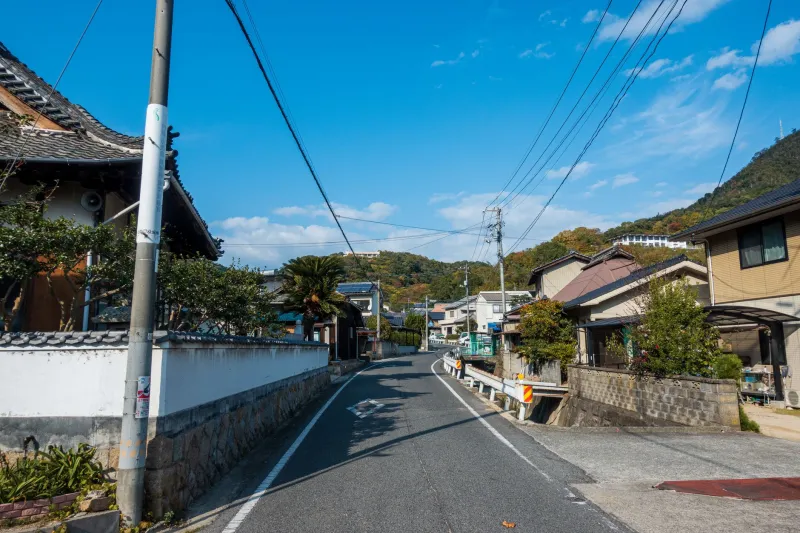
The diner where you ate pancakes every Saturday morning with your dad is a juice bar now. The record store you spent your entire adolescence in is a co-working space. The neighborhood where you grew up — the one with the big oak tree and the cracked sidewalk you knew by feel — looks like a real estate brochure for a city you've never visited.
You knew things would change while you were gone. Of course you did. You just didn't know it would feel like this.
Distance Doesn't Protect You — It Amplifies
There's a particular kind of grief that comes with living abroad for years and then returning home. It's not the grief of losing a person. It's quieter than that, and somehow harder to explain. It's the grief of losing a place — or more precisely, of losing the version of a place that you carried with you.
When you live abroad, home becomes a kind of fixed image. The neighborhood you left at 26 or 32 or 40 stays that age in your memory. Your college town. Your parents' street. The bar where you celebrated your first real job. These places become emotional anchors, vivid and permanent in your mind precisely because you stopped experiencing them in real time.
Meanwhile, home keeps aging. Businesses close. New developments go up. The demographic makeup of neighborhoods shifts. The friends who stayed scatter to suburbs. Your parents' house gets updated, repainted, rearranged. The physical world you grew up in keeps evolving on a timeline that has nothing to do with your absence.
So when you come back — for a visit, or for good — the collision between the place you remembered and the place that actually exists can be genuinely disorienting. And the distance that accumulated while you were away makes the gap feel sharper, not softer.
Gentrification Hits Different When You're the One Who Left
For a lot of Americans who've lived abroad, the most visceral version of this grief is coming home to a gentrified neighborhood. Cities like Austin, Denver, Nashville, and Portland have transformed dramatically over the past decade and a half. If you left before the wave and came back after, the change can feel almost violent.
And here's the uncomfortable wrinkle: if you left a working-class or middle-class neighborhood and returned with savings built up in a lower cost-of-living country, you might actually be part of the gentrifying force. That's a hard thing to sit with. You came home to mourn the old neighborhood and discovered you might be part of what replaced it.
But the grief is still real, even when it's complicated. Grieving the loss of a place doesn't require that you had a pure or uncomplicated relationship with it. You're allowed to miss the taqueria that got replaced by a craft cocktail bar even if you're the person ordering the craft cocktail.
The Role in the Community That No Longer Exists
It's not just the physical landscape that changes. It's your place within it.
When you left, you had a role. You were someone's neighbor, someone's regular, someone's childhood friend who still came to the reunion. You were embedded in a web of small, daily recognitions — the barista who knew your order, the corner store owner who asked about your sister, the local news that felt like news about your life.
That web doesn't wait. The people in it form new connections, new routines, new versions of the neighborhood story that don't include you. When you come back, you're not slipping back into your old role. That role has been filled or dissolved. You're starting over in a place that feels like it should already know you.
This is one of the specific loneliness's of expat re-entry that almost nobody talks about. You expected to feel foreign abroad. You didn't expect to feel foreign at home.
Grieving a Place That Still Exists
The strange thing about this kind of grief is that it doesn't have the clear social permission that other grief does. When someone dies, there are rituals. People show up. There's language for what you're feeling.
But "I'm grieving the diner" or "I'm grieving the version of this street that existed when I was 24" — those sentences don't land the same way. People might gently remind you that change is normal, that cities evolve, that you can't expect things to stay frozen. All of which is true and also not particularly comforting.
What helps, at least a little:
Name it as grief, not nostalgia. Nostalgia is soft and pleasant. Grief is an actual loss response. What you're feeling when you stand in front of a condo building where your favorite bookstore used to be is closer to grief than nostalgia, and treating it that way — giving it weight, not just waving it off as sentimentality — makes it easier to process.
Find what's still there. Some things survive. Some people are still around. Some corners of the neighborhood remain recognizable. Seeking those out isn't denial — it's balance. The place you loved isn't entirely gone. It's layered under new construction.
Build new memories in the changed place. This is easier said than done, but it's the only real path through. The place you're standing in now is real. The people living in it now are real. Starting to form attachments to the current version of home — not as a replacement for what was, but as its own thing — is how you eventually stop feeling like a ghost in your own hometown.
Talk to other expat returnees. This specific flavor of dislocation is common enough that finding others who've experienced it isn't hard. It helps enormously to hear someone else describe the exact feeling of standing in a changed neighborhood and not knowing whether to cry or laugh.
You Can't Go Home, But You Can Go Back
The home you left doesn't exist anymore — at least not in the form you carried with you. That's the honest truth, and it's worth grieving properly.
But going back isn't hopeless. It's just different than you expected. The abroad changes you. Home changes too. What you build in the space between those two changed things — that's yours. It just takes time to recognize it as home.